Optimizing Multi-Leg Wagers Through Strategic Platform Comparisons and Layered Incentives
Katja Baumann · Aug 19, 2026
Optimizing Multi-Leg Wagers Through Strategic Platform Comparisons and Layered Incentives
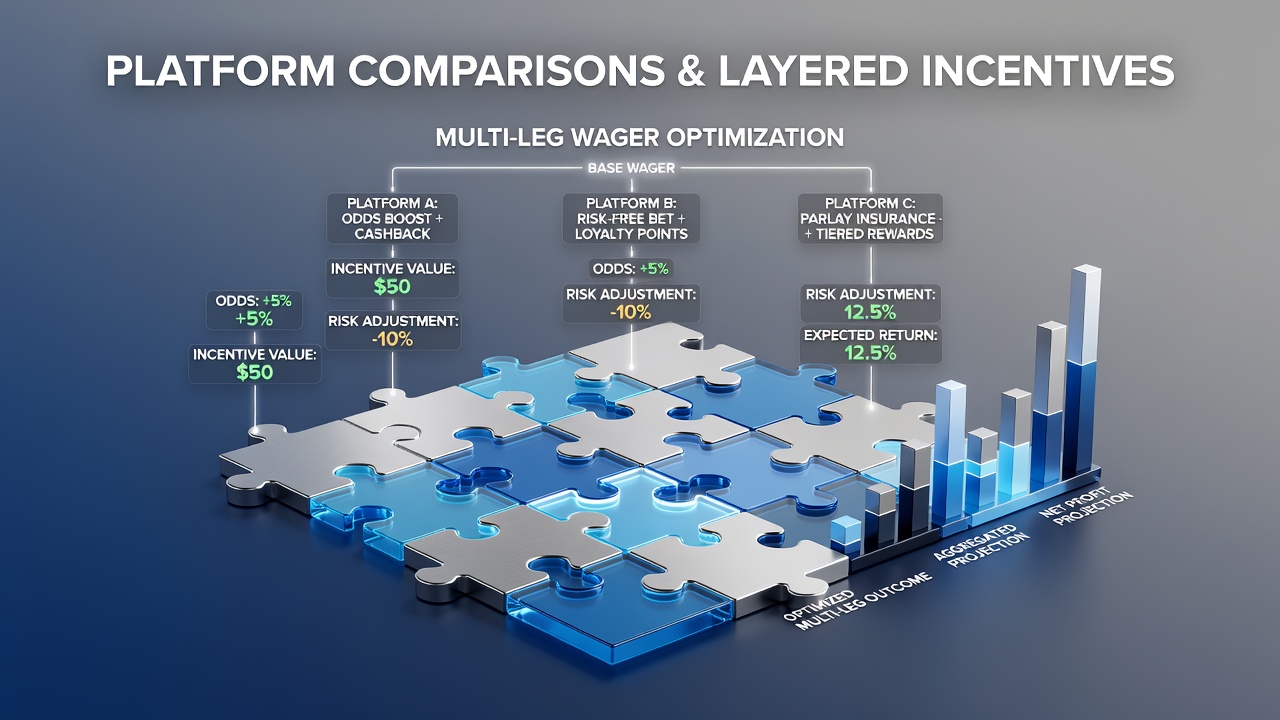
Platform comparisons have become central to how bettors assemble layered incentives for multi-leg wagers, and data from industry reports in August 2026 shows steady growth in accumulator-style betting across international markets. Researchers at the Australian Gambling Research Centre have documented shifts toward combined bonus structures that reward users who select multiple platforms rather than remaining loyal to one operator. Those structures include deposit matches stacked with enhanced odds, free bet credits, and cashback tiers that activate only when certain leg thresholds are met.
Platform Evaluation Frameworks
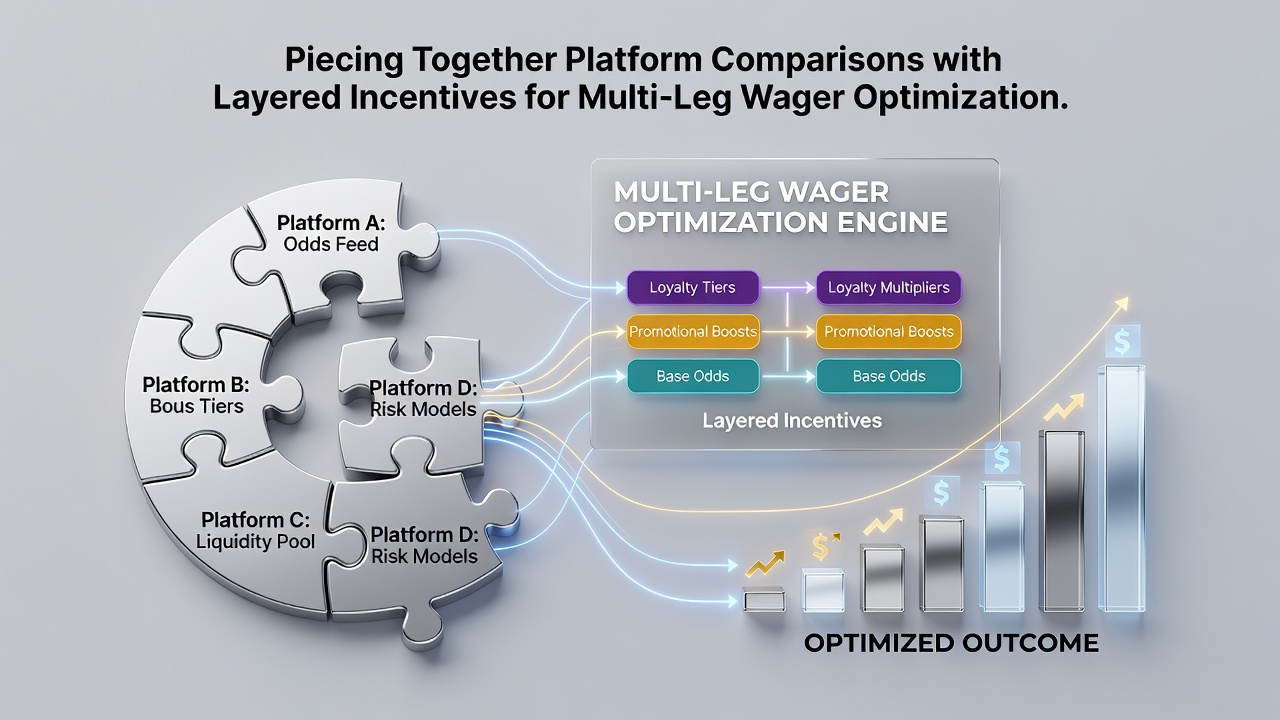
Bettors examine payout speeds, market depth, and bonus rollover requirements side by side before committing funds, while analysts note that platforms offering seamless API access for odds tracking gain preference among users managing several accounts simultaneously. Studies released by the University of Nevada's International Gaming Institute in early 2026 highlighted how comparison tools now incorporate real-time bonus valuation calculators that convert free bet credits into expected value percentages across different accumulator lengths. These calculators help users decide which combination of platforms delivers the highest projected return once all incentives layer together.
Layering Mechanisms in Practice
Layered incentives function through sequential activation rules that reward progressive engagement, so a user might claim an initial deposit match on one site, then apply an accumulator boost from a second platform, and finally trigger cashback on a third when the multi-leg wager reaches a predetermined number of selections. Figures from Canadian provincial regulators indicate that operators in Ontario expanded their multi-leg bonus offerings by 14 percent between January and August 2026, with many tying rewards to cross-platform activity rather than single-site volume. Observers note that such layering requires careful tracking of expiration dates and eligibility windows because overlapping terms can nullify expected gains if deadlines are missed.
Case Examples from Recent Markets
One documented approach involved a bettor who opened accounts on three separate platforms during a major European football window in August 2026, deposited the minimum qualifying amount on each, and then combined a 50 percent deposit match, an accumulator insurance credit, and a no-deposit free bet into a single seven-leg parlay. The structure yielded separate payout streams once the wager settled, and similar patterns appear in reports from the New Jersey Division of Gaming Enforcement that track incentive stacking across licensed operators. Those reports show average bet sizes on multi-leg products rose 11 percent year-over-year when layered incentives were available, while single-leg activity remained relatively flat.
Regulatory and Technical Considerations
Regulators in several jurisdictions now require operators to display clear terms for bonus stacking, and the Victorian Commission for Gambling and Liquor Regulation in Australia introduced updated disclosure standards in July 2026 that mandate itemized breakdowns of how free bets interact with enhanced odds on multi-leg products. Technical integrations have followed, with comparison websites adding filters that sort platforms by combined incentive value rather than headline bonus amounts alone. Data from these sites indicates users spend an average of 18 minutes reviewing layered options before placing a multi-leg wager when multiple platforms participate in the same event market.
Future Tracking Tools
Industry organizations such as the European Betting and Gaming Association have begun publishing quarterly summaries that include aggregated statistics on incentive layering, and those summaries reveal that accumulator-focused bonuses represent the fastest-growing category across member operators. Academic researchers continue to examine how these layered structures influence bet sizing and selection frequency, with preliminary findings suggesting bettors adjust leg counts upward when insurance or boost components are confirmed in advance. Platform comparison services have responded by adding exportable spreadsheets that calculate net return after all bonus conditions are met, allowing users to model outcomes across varying win probabilities.
Conclusion
Platform comparisons paired with layered incentives continue to shape multi-leg wager optimization as operators refine rules and regulators standardize disclosures. Data from multiple regions shows measurable increases in accumulator activity when users can combine offers across sites, and the tools available for evaluating those combinations have grown more sophisticated through 2026. Bettors who track eligibility windows and expected values across platforms maintain access to the broadest range of payout streams once wagers settle.